Selecting the right IPTV restream provider can make or break your streaming business. A good provider ensures that your channels remain stable, your viewers have a smooth experience, and your reputation as a service operator stays solid. A poor choice, however, leads to buffering complaints, channel outages, support headaches, refund requests, and frustrated subscribers.
Many IPTV entrepreneurs focus on building their panels, creating apps, or improving their user interface — all important tasks. But behind every successful IPTV business is one simple truth: everything depends on the quality of the source feed. When your restream provider delivers consistently strong channels, the rest of your business becomes easier to operate.
This guide walks you through every element you should evaluate when choosing a reliable IPTV restream provider. Each section gives you a practical perspective, shaped around real user experience and the technical needs of a modern IPTV platform.
Understanding Your Needs Before Comparing Providers
Before comparing different suppliers, you should clarify what your own platform requires. Every IPTV business is slightly different — some focus on live sports, others prioritize entertainment channels, and some need stability above everything else.
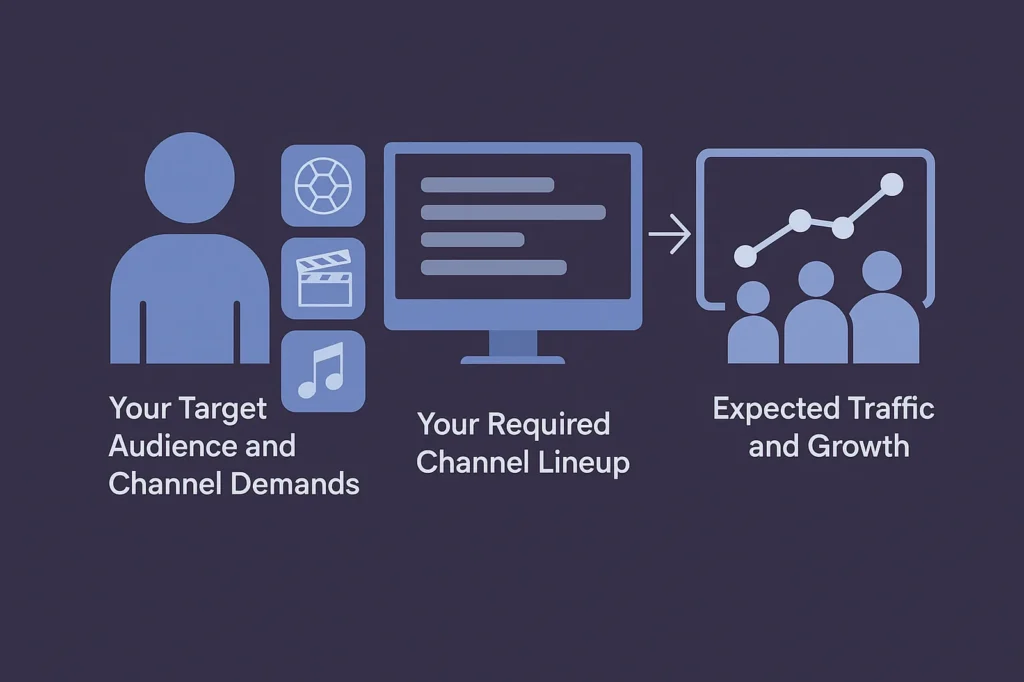
Your Target Audience and Channel Demands
One of the first questions to ask yourself is: who am I serving? If your subscribers mainly watch sports, then your restream provider must deliver flawless, low-latency sports channels. Sports viewers notice even the slightest buffering. On the other hand, an entertainment-focused service may prioritize a wider range of channels rather than extremely low latency.
Your Required Channel Lineup
Make a clear list of the channels you consider essential. Not every provider delivers the same content groups, and some specialize in specific regions. Knowing what you need helps narrow down your choices quickly.
Expected Traffic and Growth
Your business might start small, but a good restream provider must handle future expansion effortlessly. An infrastructure that collapses under load can damage your brand. Having scalable feeds, balanced nodes, and distributed servers make a noticeable difference once your subscriber base grows.
The Core Qualities of a Reliable IPTV Restream Provider
After identifying your needs, it’s time to look at the core qualities that define a reliable restream service. These characteristics determine whether your streams remain stable and whether your customers stay satisfied.
1. Stream Quality and Video Stability
High-quality video with stable bitrates is the foundation of any IPTV service. A good provider delivers steady HD or FHD feeds without dramatic bitrate drops or visual glitches. You can also check the provider’s reliability during key events. For example, streaming platforms rely heavily on CDN-like routing technologies to maintain quality under heavy loads.
When evaluating providers, request a short trial and monitor multiple channels during busy times. If you notice fluctuations, pixelation, or sudden freezing, it’s a red flag.
2. Server Infrastructure and Global Distribution
Modern IPTV restream services depend on strong distributed infrastructure. Providers with multiple global nodes reduce latency and allow your viewers to connect to the closest location. This makes a significant difference for audiences spread across different regions.
Try to work with providers that use load balancers and multi-location server clusters. These features help prevent outages and distribute traffic evenly. You can look up how distributed systems work through industry resources like Cloudflare’s CDN overview to better understand why this matters.
3. Channel Redundancy and Backup Feeds
A strong restream supplier always keeps backup feeds ready. If one source goes down, another takes over instantly. This redundancy is essential for premium channels, especially sports and news. Backups protect your viewers from downtime and minimize customer support requests.
4. Latency and Delay Performance
Latency refers to how delayed the stream is compared to the original broadcast. High latency is common among poorly optimized providers. For sports or live events, this can ruin the viewing experience, especially when viewers receive updates from social media before seeing the action on screen.
The best providers keep latency low by using optimized transcoding workflows and efficient routing methods.
Evaluating the Technical Side of a Restream Provider
Beyond channel quality, a good IPTV restream provider must also have strong technical capabilities. These ensure reliability during peak hours and protect your service from instability.
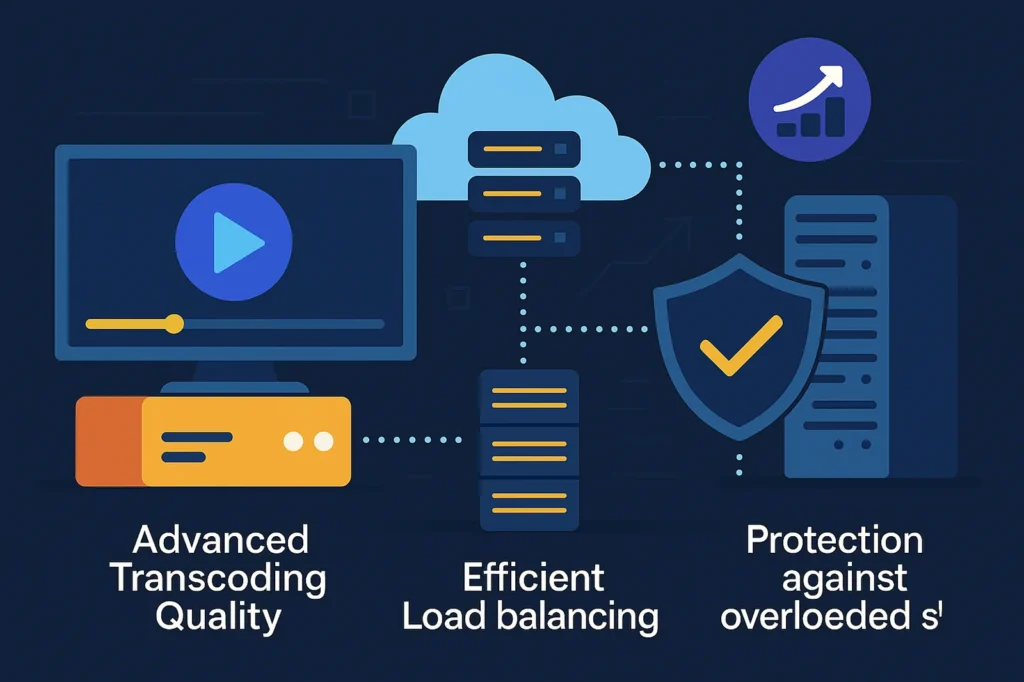
Advanced Transcoding Quality
A provider’s transcoding setup determines whether your users experience smooth video. Good transcoding optimizes the balance between quality and bandwidth. Providers using modern codecs such as H.265 offer better compression without sacrificing clarity.
Efficient Load Balancing
Load balancing determines how traffic is distributed across servers. If a provider uses outdated balancing methods, your viewers may all end up on the same overloaded server, causing buffering.
Modern restream providers use intelligent balancing—monitoring traffic in real time and routing viewers to the best-performing node.
Protection Against Overloaded Servers
Some IPTV restream suppliers oversell their servers, cramming too many users onto limited hardware. A reputable provider keeps utilization stable and actively monitors performance to avoid congestion.
Customer Support: A Critical Factor in Choosing a Provider
Even with strong infrastructure, issues can still occur. This is where customer support separates average providers from professional ones. A responsive, skilled support team ensures that you’re never left alone during urgent situations.
Response Time During High-Traffic Events
The real test of support quality appears during large events. When sports finals or special broadcasts take place, channels often receive sudden traffic spikes. A good provider reacts instantly, investigates the issue, and stabilizes the feed quickly.
Clear Communication and Professionalism
You should be able to communicate clearly with your supplier. Long delays, vague responses, or dismissive answers are warning signs. A good provider respects your business and gives you direct, actionable information.
Pricing, Transparency, and Long-Term Value

While cheap pricing may seem attractive, it often leads to poor performance. The goal should be finding a balance between cost and quality — not simply choosing the lowest-priced plan.
Transparent Pricing Structures
A trustworthy restream provider offers clear pricing without hidden fees. They should disclose channel groups, quality levels, and any additional charges for premium channels or bandwidth expansion.
Why the Cheapest Option Is Usually the Worst
Extremely cheap restream services often use unstable sources, oversold servers, and low-quality transcoding setups. Saving money upfront typically results in higher costs later due to customer refunds, complaints, and churn.
Long-Term Partnership Value
A reliable provider becomes a part of your business ecosystem. Building a long-term relationship gives you better support, priority treatment, and often access to exclusive feeds. This kind of stability is invaluable when running a serious IPTV business.
Using Trials to Test a Provider’s Real Performance
A trial period is your opportunity to test everything before committing. Many operators skip thorough testing, but it’s one of the most important steps in provider selection.
Monitor Multiple Channels Throughout the Day
Channels may perform well during quiet hours but struggle during peak times. Monitor channels throughout the day to understand real performance patterns.
Stress-Test Popular Channels
Sports channels, kids’ networks, news channels, and movie channels often receive the highest traffic. Testing these gives you a realistic preview of what your subscribers will experience.
The final stage of your evaluation should naturally lead readers toward your main service page. When you’re ready to integrate a professional-grade solution, you can explore the dedicated features offered at IPTV RestreamHub — a central link that aligns with your primary commercial intent without creating keyword conflict.
Red Flags to Watch Out for When Comparing Providers
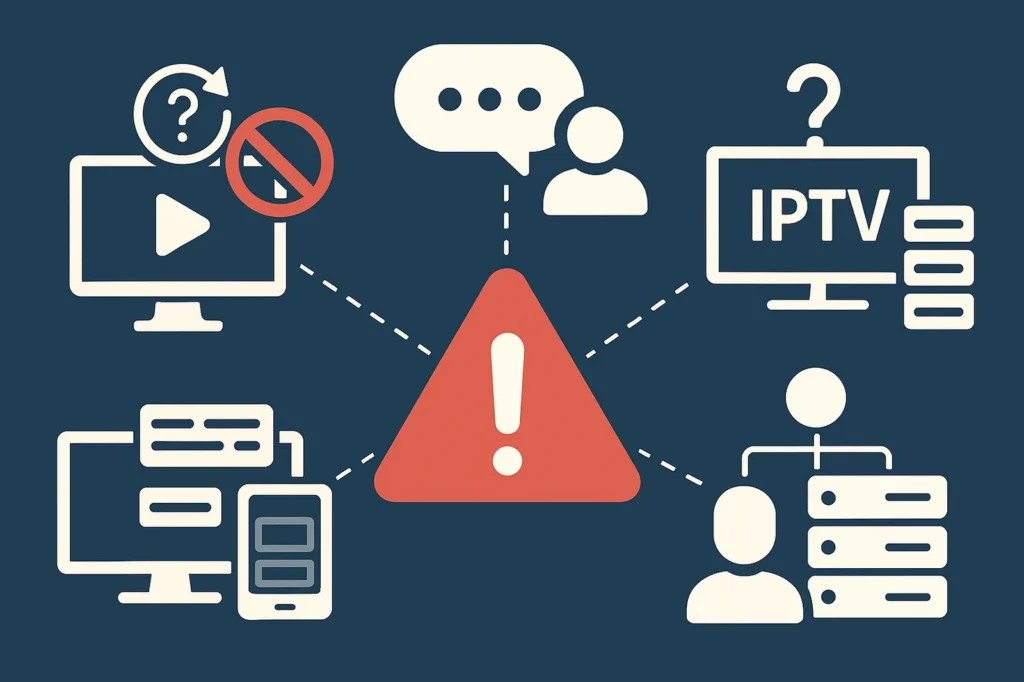
Selecting an IPTV restream supplier is not only about what to look for — it’s also about what to avoid. Some providers show clear signs of poor infrastructure or unreliable practices. Paying attention to these red flags helps you avoid major headaches later.
Unstable or Frequently Changing Channel URLs
Constantly changing stream URLs is a major warning sign. It usually indicates that the provider is using inconsistent sources or frequently switching feeds due to instability. This leads to broken links inside your IPTV panel and repeated complaints from subscribers.
Poor Communication or Slow Support
If the provider takes hours to reply to simple questions, imagine how slow they’ll be when a channel goes down during a major sports event. Support delays generally point to understaffed teams or low service quality.
Overly Generic Channel Lists
Some restream suppliers offer massive channel lists with no focus or quality control. A long list with no curation often contains unstable sources, duplicated channels, and inconsistent quality. It’s better to choose a provider with fewer but more stable and verified channels.
No Transparency About Infrastructure
If a provider refuses to share basic details about their infrastructure, server locations, or security practices, treat it as a red flag. Legitimate restream providers usually highlight their technical capabilities openly because it gives clients confidence.
Security and Legal Considerations
Security often gets overlooked in the IPTV restream industry, yet it’s a crucial part of protecting your platform. You must understand the implications of using untrusted feeds or providers that lack proper security protocols.
Secure Connections and Data Handling
Your provider should operate over secure connections and use stable protocols. This protects data traveling between your panel and the source stream. Unsecured streams are more vulnerable to interruptions and unauthorized access.
Understanding Content Rights and Restrictions
While this article doesn’t provide legal guidance, it’s important to understand that IPTV platforms must respect content rights. Following licensed or official content sources ensures long-term stability and reduces operational risk. Many industry resources such as Broadband TV News offer insights into broadcasting policies and industry standards.
Avoiding Risky Providers
Providers that ignore these considerations put your entire business at risk. It’s better to choose a supplier that maintains proper standards and operates transparently. A trustworthy restream provider will always discuss compliance and stability openly.
Evaluating Long-Term Relationship Potential

A great IPTV restream provider doesn’t just supply channels — they become a long-term partner. This helps you grow in areas beyond channel stability, including user experience improvements, new feature rollouts, and platform optimizations.
Consistency Over Time
The most reliable providers maintain consistent quality month after month. Their channels remain stable, their nodes stay optimized, and they regularly update sources to prevent downtime. Look for providers with a track record of long-term consistency, not just short-term reliability.
Willingness to Support Growth
Good suppliers support you as your business expands. This may include offering scalable packages, improved routing, or priority support. If a provider is genuinely invested in your success, it becomes easier to build a sustainable IPTV platform.
Opportunities for Customization
Some providers allow advanced users to request custom channel groups, regional feeds, or specialized streaming routes. These options can give you an edge when targeting specific audiences or building niche IPTV services.
Comparing Multiple Providers Side by Side
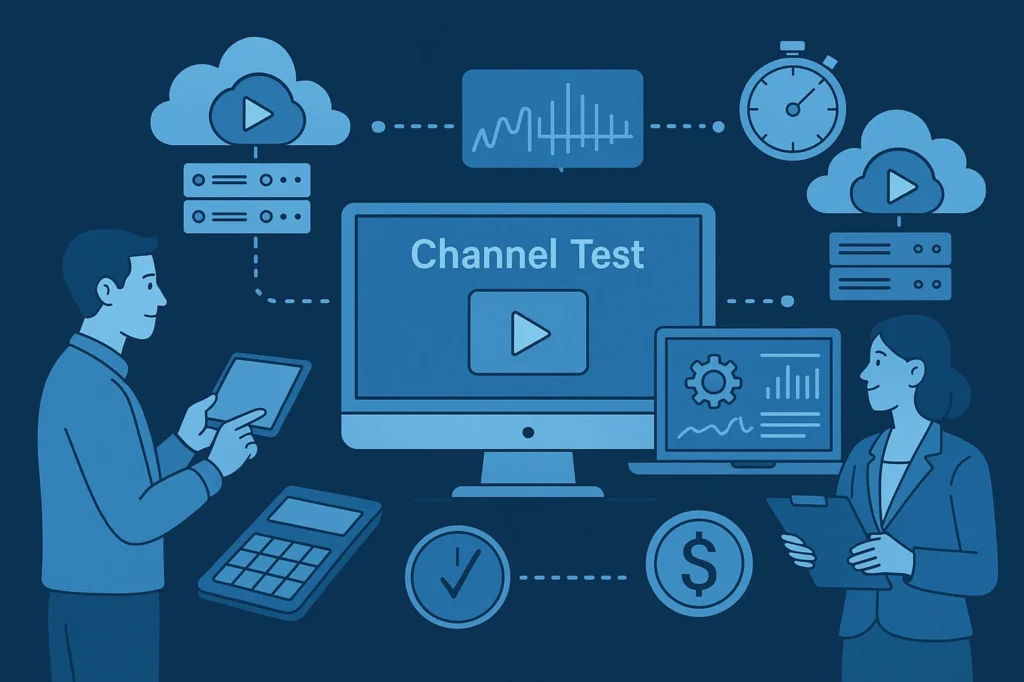
Once you’ve narrowed your choices, compare the remaining providers based on performance, support quality, channel stability, and cost. A side-by-side comparison gives you a clear view of who offers the best overall value for your business.
Test the Same Channels Across Providers
Compare identical channels between providers — especially popular ones like sports and news. This makes the differences in stability and quality much easier to see.
Measure Latency, Bitrate, and Reliability
Use simple tools or even your IPTV panel’s internal metrics to monitor bitrate and latency. Although you don’t need advanced technical expertise, basic observations during testing will reveal which provider maintains proper performance under load.
Evaluate Long-Term Value, Not Short-Term Cost
Cheaper restreaming may save money at first, but your long-term profits come from stability and customer satisfaction. An affordable but unstable provider leads to constant loss of subscribers.
Conclusion: Making the Right Choice for Business Stability
Choosing the right IPTV restream provider is one of the most important decisions you will make for your streaming business. It affects everything from user satisfaction to support workload, brand reputation, and long-term growth potential.
The best restream providers are transparent, reliable, technically strong, and committed to long-term relationships. They deliver stable channels, responsive support, solid infrastructure, and consistent performance even during peak times.
Once you understand your needs and evaluate providers through testing, performance monitoring, and communication quality, the right choice becomes clear. When you’re ready to work with a stable, dedicated solution built for IPTV operators, you can explore the full set of features offered at IPTV RestreamHub — a trusted source designed for reliability, scalability, and long-term partnership.
Frequently Asked Questions
How do I know if a restream provider is reliable?
The best way is to test their feeds during busy hours and evaluate bitrate stability, latency, and uptime. Reliable providers show consistent quality across multiple channels and maintain strong performance even during peak traffic.
Should I choose the cheapest IPTV restream option?
Cheap restream services often cut corners on server quality, support, and source stability. It’s better to select a provider that offers balanced pricing and proven reliability.
What makes a good IPTV restream provider?
A good provider offers stable streams, fast support, redundant channels, scalable infrastructure, and transparent communication. They invest in proper routing and transcoding so that your subscribers receive a smooth viewing experience.
By following the recommendations in this guide, you will be able to choose a restream provider capable of supporting your IPTV business with stability and long-term growth.